Rodent control · Eltham
Dogs in the house? We swap the bait. Selontra stays locked either way.
 Dexter Cairns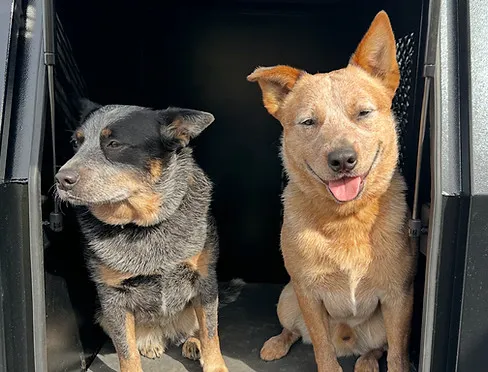
We use Selontra when there are no dogs on the property, and only in lockable stations. If there are dogs, we generally switch to a first-generation bait like Racumin Paste. Selontra's main pet risk is direct, not secondary.
The question every dog owner asks
Every rodent job where there’s a dog in the house, I get the same question before I’ve even got the ladder off the ute. Is this stuff going to hurt my dog.
Fair question. And it decides which bait we put down. Let me explain.
What Selontra is
Selontra’s one of the newer rat baits. Soft bait, works fast, and the active in it is cholecalciferol, which is really just vitamin D3. It isn’t an anticoagulant like the older rat poisons.
On paper you can see the appeal. It knocks down rats that have shrugged off the older anticoagulant baits, and the makers push it as easier on wildlife that eat a poisoned rat, because it doesn’t build up the same way as the anticoagulants. Secondary risk is low. The risk that matters with pets is direct: if a dog gets into the bait itself.
When we use it, and when we don’t
We do use Selontra. Just not on every job.
No dogs on the property? Selontra is on the table. Dogs around? We generally switch to a first-generation anticoagulant bait instead. Racumin Paste is the one we reach for most.
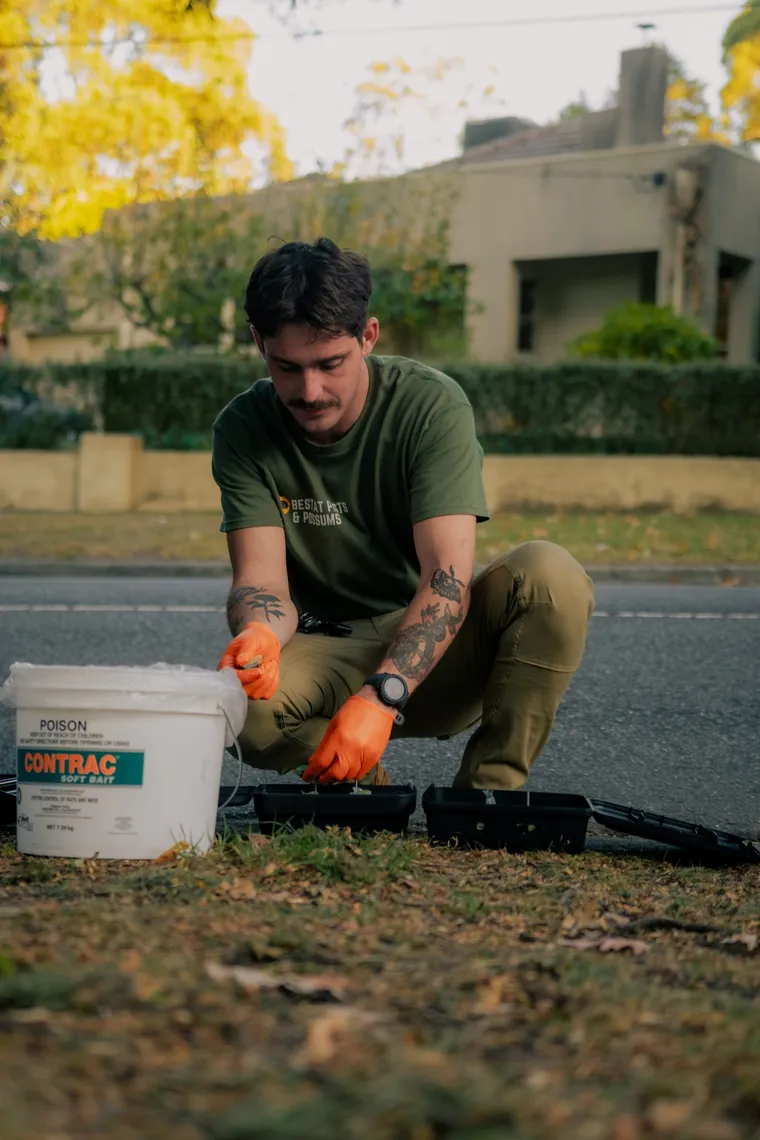
Either way, the bait only goes in a lockable station. Locked, screwed into place, up in the roof or tucked hard against a wall where a nose and a paw can’t reach it. Not a tray. Not a handful loose in the shed. Not shoved behind the fridge like the bait off the servo shelf.
Selontra in particular stays in lockable stations only. Low secondary risk doesn’t mean you leave soft bait where a dog can mouth it.
Why dogs change the product
First-generation anticoagulants and vitamin D3 baits poison in different ways.
If a dog gets into an anticoagulant bait and you catch it in time, vitamin K1 is the usual veterinary path. That is why first-gen products like Racumin Paste are the safer call when there is a dog on site: there is a known treatment route if something goes wrong.
Cholecalciferol is different. If a dog eats enough Selontra, the vitamin D3 drives calcium up and that can hit the kidneys and other organs. Treatment is supportive, not a simple antidote the way vitamin K1 is for the older anticoagulants. So we keep Selontra for properties without dogs, and we keep it locked.
And we check for possums before any bait goes anywhere. If something’s living up in that roof, we work out what it is first. Bait comes second. Possums are protected wildlife, and direct access to bait is the same kind of problem a dog would have.
The bit most people get wrong
Most people hear “pet friendly” and think the poison is harmless. It isn’t. Pet-safe treatment means the placement and the product choice match the animals that live there.
Two questions matter:
- Is there a dog (or another pet that could get into a station)?
- Is the bait actually locked where nothing else can reach it?
A dog can’t be poisoned by what it can’t reach. And we won’t put Selontra on a job where a dog is part of the household.
If someone’s baiting your place and they can’t tell you what’s in the station, or show you it locked, ask them why not.
You’ve got a dog and you’ve got rats, that’s alright, we do it all day. It just gets done with the right product, in a station that stays shut.