
Humane possum removal · Guide
Possum in the roof this winter? Start with the noise, not the season
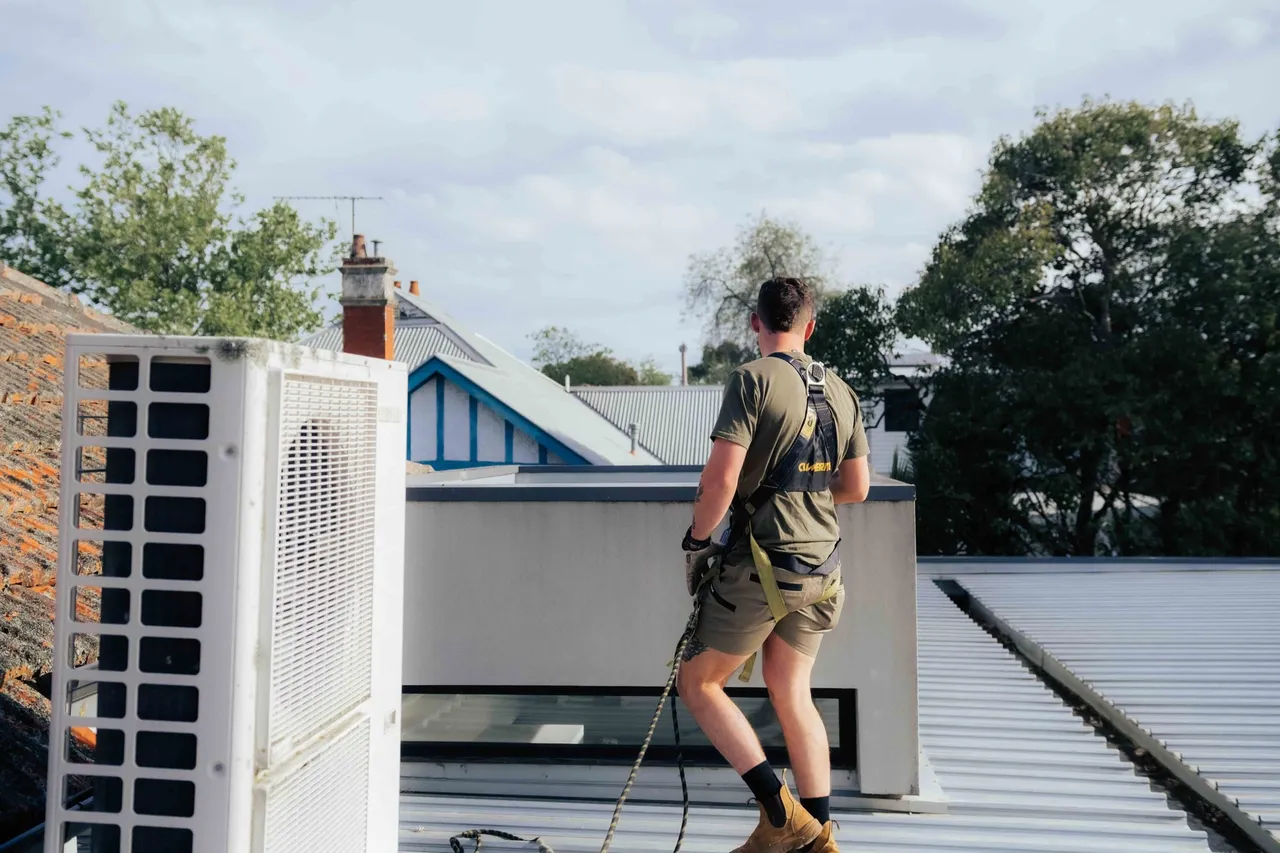
Winter roof noise in Melbourne is often a brushtail possum, but light scratching can be rats or mice, and ringtails do enter roofs too. Identify the animal, find the entry, use a one-way door, then seal properly. Foam is not proofing.
Cold night. Heavy thump above the bedroom. Then scratching across the ceiling.
It is easy to decide that winter has pushed a possum into the roof. Sometimes that is exactly what has happened. But the season alone does not identify the animal, and guessing wrong can lead to the wrong treatment.
Start with what you can actually hear and see.
A brushtail sounds heavier than a rat
Common Brushtail Possums are about the size of a cat. They are nocturnal and prefer secure, dark and dry places to rest during the day. In Melbourne, a roof cavity can provide all three.
A brushtail sounds like someone moving furniture. Heavy thumps. Occasional hiss. Rats and mice are lighter: scampering, scratching, gnawing along a beam.
That is a useful first clue, not a final diagnosis. Noise travels through timber, plaster and shared rooflines. Something moving above one room may be entering on the other side of the house.
One more tell from the jobs we do: if the noise is loud and low, like it is at head height rather than up in the peak, check the wall cavity as well as the roof void. On older brick veneer, the gap behind the eaves can put a possum right behind the bedroom plaster. A clean roof space does not always mean the animal is gone.
Look for the rest of the evidence:
- heavy movement after dusk or before dawn
- droppings or staining in the roof space
- rub marks around a roof gap
- loose tiles, broken eaves or holes in brickwork
- an animal leaving the roof after dark
Do not seal a suspected opening while an animal may still be inside.
Brushtail or ringtail?
Melbourne has both Common Brushtail and Common Ringtail Possums.
Brushtails are the usual roof resident. Ringtails are smaller and generally build a round nest of twigs and leaves, called a drey, in dense foliage. Official guidance says ringtails rarely enter roof spaces.
We can tell you from experience, ringtail possums will absolutely enter roof spaces. Smaller body, same problem. They use the same weak points: eaves, flashing, rainheads, a gap you would never see from the yard. If you assume it is only brushtails that get in roofs, you can miss the animal that is actually up there.
The breeding calendar matters too. Brushtails commonly have a single young in autumn or spring. Ringtails breed from April to November and often have twins. That is another reason not to block a hole first and ask questions later. There may be a dependent young animal in or near the den.
Winter is not the whole explanation
A roof is dry, dark and protected. Those features are useful in any season.
Cooler weather can make roof noise more noticeable because people are home with windows shut and the house is quieter at night. Autumn and winter also overlap with possum breeding periods. Neither point proves that a new noise is a possum.
What we see on Melbourne jobs is often less about the weather and more about opportunity. A branch that now sits within jumping distance. A reno next door that pushed them off an old nest. Flashings that lifted after a few wet winters. The season might be when you notice it. The opening is why they stayed.
The useful question is not, “Why did winter put it there?”
It is, “What is making the noise, and where is it getting in?”
Victorian law changes what a proper fix looks like
Possums are protected under Victoria’s Wildlife Act 1975. Relocating a problem possum to another site is prohibited.
If a brushtail is trapped under the relevant Victorian rules, it must be released after sunset on the same property and within 50 metres of where it was captured. Moving it to a park or another suburb is not a humane shortcut. Relocated possums often do not survive unfamiliar territory, and the empty roof just invites the next one.
For a roof, the practical answer is humane removal followed by proofing.
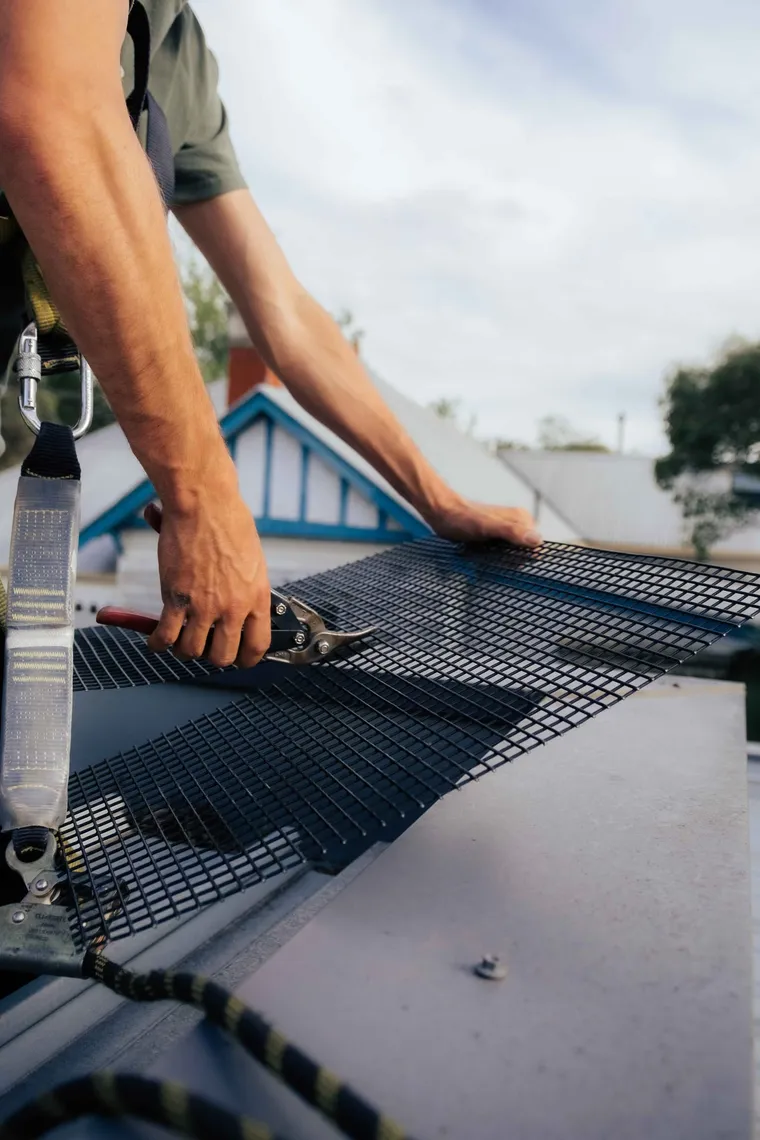
We use a one-way door so the animal can leave but cannot get back in. Once it is out, we seal the active entry and the other soft spots on that roofline. Foam does not count. A possum will push through it. Mesh fixed properly into timber or metal does.
Removal without proofing leaves the same doorway open. Proofing without removal risks trapping the animal inside. They are two halves of the same job.
Where possums get into Melbourne roofs
Loose tiles, broken eaves and holes in brickwork are the textbook list. Fine. On real Melbourne roofs, the opening is often somewhere less obvious.
Places we check first:
- gaps behind gutters and rainheads, especially on box gutters
- lifted flashing along a parapet or where an extension meets the old roof
- broken or displaced tiles
- the junction where brick veneer meets the eaves
- roof valleys and changes in roof pitch
- branches, pergolas or fences that give them a run onto the tiles
A new build is not automatically sealed. Rainheads get missed because nobody can see them from the ground and the builder was not thinking about possums. One open rainhead is enough.
Pruning branches back about 1.5 metres can remove one access route. It does not close a hole that is already there. If the entry stays open, the next possum finds it.
What not to rely on
Repellent sprays are not a roof repair.
Smells and tastes may change behaviour for a while. They do not make a broken eave or lifted flashing solid again. Lights and noise have the same problem. Even if the animal moves, the opening remains available to the next possum.
Same goes for poking a bit of mesh over the first gap you can see. If the flashing is still lifted, or there are three other soft spots along the gutter line, you have not finished the job.
Find the animal. Find the entry. Let it leave. Seal the roof.
That is the fix.
When to call someone
Get help if you cannot safely inspect the roof, cannot tell whether the noise is a possum or rodent, suspect a young animal is present, or have already sealed gaps and still hear movement.
Best At Pests uses humane one-way doors and full roof proofing across Melbourne. Every possum proofing job is backed by a 2.5-year warranty. If they get back into a proofed area during that period, we come back and sort it.
Need someone on the tools?
Book online in 60 seconds, or give us a call and we'll talk it through.