
Rodent control · Guide
Rats or mice in the house this winter? Follow the evidence
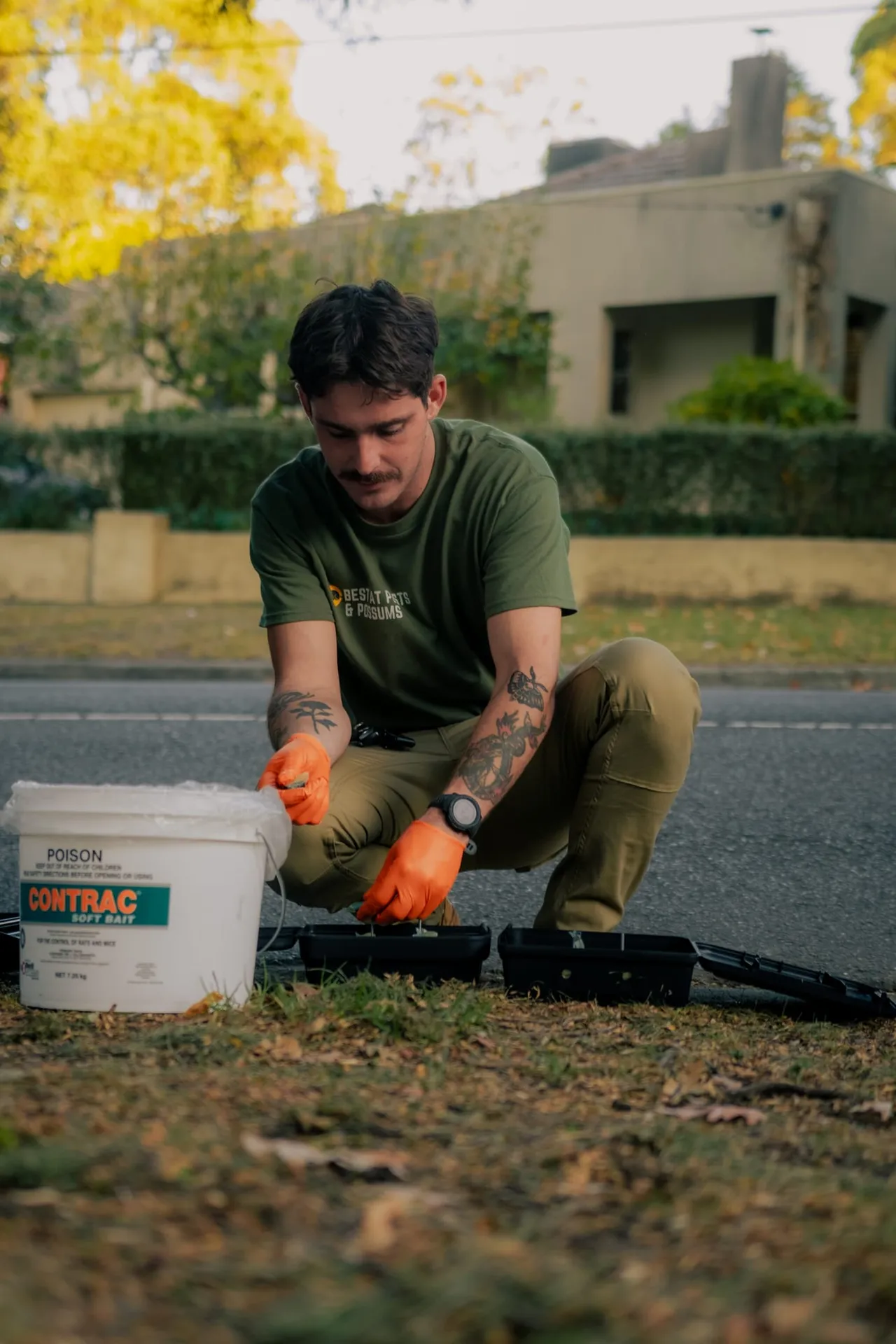
Winter does not invent a rodent problem on its own. Follow the signs, clear food and shelter, rule out possums before baiting a roof, then treat in lockable stations and seal the entry points.
Light scratching in the wall. A packet chewed in the pantry. Small dark droppings behind the fridge.
That is enough to suspect rodents. It is not enough to start throwing bait around.
Rats and mice need three things: food, water and shelter. A proper inspection works through all three, then finds the route they are using to move through the building.
Winter can make indoor harbourage more useful. Agriculture Victoria notes that mice can live and breed in the warmth of buildings when outside conditions are cold. But an infestation still depends on access and resources. A warm roof with no way in is not a rodent problem.
Start with the signs
Victoria’s Department of Health recommends looking for:
- droppings
- gnaw marks or damaged food packaging
- holes and gaps
- greasy smears along regular travel routes
- nesting material such as paper, cardboard, straw or rags
The pattern can help separate mice from rats.
Mice tend to nibble the outside of grains and may leave the core. Rats are more likely to leave crumbs or larger pieces. A mouse can squeeze through a gap as small as 8 millimetres, so an opening does not need to look dramatic.
Noise helps, but it can mislead. Light scampering and gnawing are more consistent with rodents. Heavy thumps and a throaty hiss can point to a brushtail possum. Roof framing can carry sound away from the true location, so the physical evidence matters more than where the noise seems loudest.
Check the outside before reaching for bait
Walk the perimeter and work from low to high.
Look around:
- garage doors and weather seals
- vents and subfloor openings
- pipe, cable and air-conditioning penetrations
- damaged eaves and fascia
- loose tiles and roof junctions
- gaps around sheds, decking and stored materials
- branches and vines touching the building
Maroondah City Council recommends sealing gaps under eaves, roof tiles and external walls, keeping trees and vines away from the house, and storing firewood off the ground and away from structures.
That does not mean every gap should be closed immediately. If rodents are active inside, the treatment and proofing sequence needs to avoid trapping animals where they can die in an inaccessible wall or ceiling.
Remove the easy food and shelter
Rodent work is harder when the property keeps feeding the population.
The Department of Health recommends removing or controlling food, water and shelter sources. Practical steps include:
- keep pantry food and animal feed in sealed containers
- do not leave pet food out overnight
- clean spills and crumbs under appliances
- repair plumbing leaks
- keep rubbish bins closed
- remove clutter and unused nesting material
- trim dense foliage against the building
- keep sheds, garages and storage areas orderly enough to inspect
These steps do not replace treatment when rodents are established inside. They make the property less supportive and make new signs easier to find.
Rule out possums before baiting a roof
Possums are protected native wildlife. They also use roof spaces.
That makes identification more than a matter of choosing the right pest. Bait placed where a possum can reach it creates an avoidable wildlife risk.
Best At Pests checks what is living in the roof before rodent treatment begins. The noise, droppings, access points and other signs need to agree.
If the evidence points to a possum, the answer is humane removal and proofing, not rodent bait.
Bait is a poison, so placement matters
Rodenticides are designed to kill rodents. “Pet friendly” should never be read as harmless.
Agriculture Victoria warns that rodenticides can harm people, domestic animals and wildlife if misused. Animal Welfare Victoria also warns that a cat can be poisoned by eating a poisoned rodent.
Victoria’s Department of Health advises using lockable bait stations and placing bait where children, pets and non-target animals cannot access it. The active ingredient matters because different rodenticides poison in different ways and require different veterinary treatment after accidental exposure.
If bait is used:
- use only a product registered for the intended use
- follow the label
- keep the product in a locked station
- record where stations are placed
- keep stations away from food-handling areas
- check and maintain them
- tell everyone in the property where treatment has occurred
Loose bait in an open tray is not a careful treatment plan.
Baiting without proofing is temporary
Bait may reduce the rodents already inside. It does not repair the opening that let them in.
If food, shelter and access remain, the next animal can use the same route. That is why long-term control has four parts:
- identify the animal
- remove easy food, water and shelter
- treat the active population safely
- close the confirmed entry points
Skip the last step and the building stays available.
When to get help
Bring in a licensed pest controller if activity continues after basic sanitation, the signs are inside walls or the roof, pets or children complicate bait placement, you cannot distinguish rodents from possums, or the likely entry points are unsafe to access.
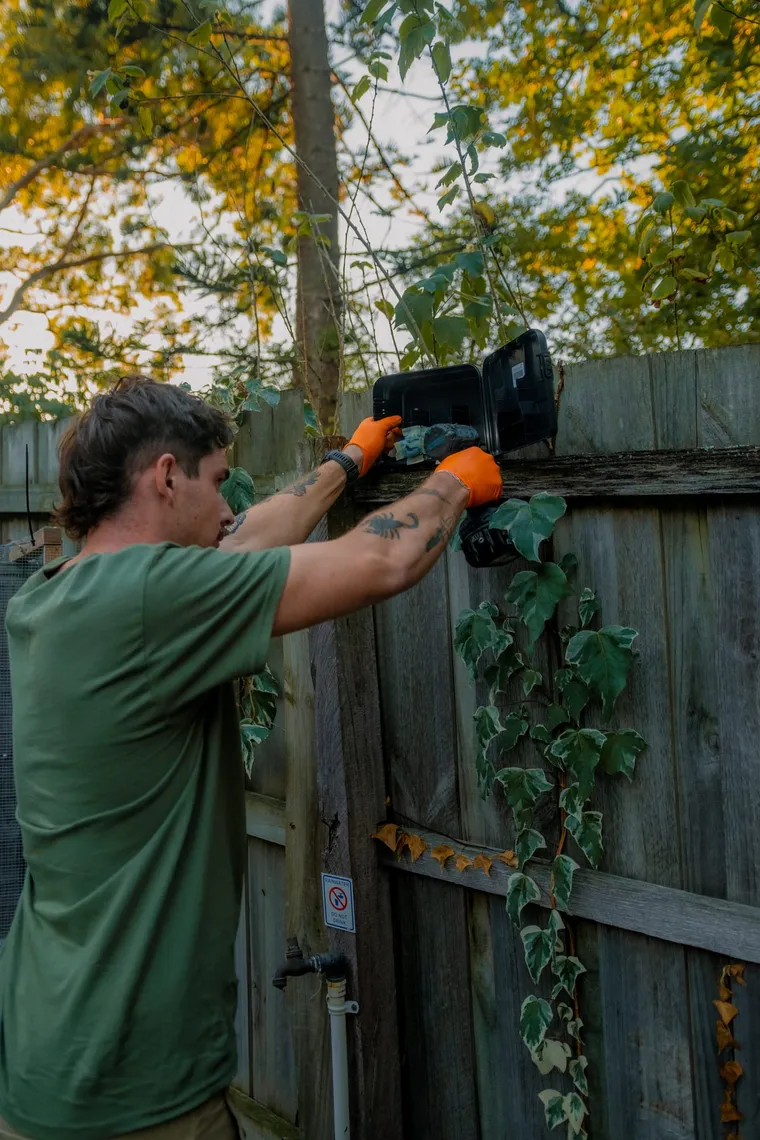
Best At Pests provides rodent inspections, secure treatment and entry-point sealing across Melbourne. Rodent treatments carry a 6-month warranty.
Need someone on the tools?
Book online in 60 seconds, or give us a call and we'll talk it through.